Language
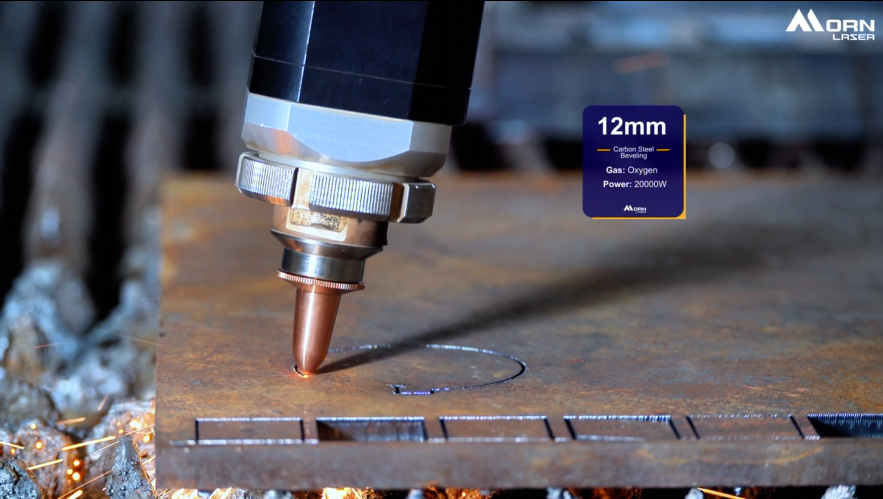
During high-speed tube cutting, the cutting head operates in extremely close proximity to the workpiece. A collision can result in issues ranging from a deformed nozzle or a cracked ceramic ring to severe damage to the focusing lens and the cutting head assembly itself. Implementing effective anti-collision maintenance for the cutting head is essential for preserving equipment precision and minimizing repair costs.
I. Daily Maintenance of Anti-Collision Systems
Laser tube cutting machine cutting heads are typically equipped with ceramic rings and anti-collision sensors. Before starting operations for each shift, inspect the ceramic ring for cracks, chips, or metal spatter. If any damage is detected, replace the component immediately; do not continue use. Verify that the anti-collision sensor wiring is secure and that the system triggers an alarm and halts the machine as intended. Keep the sensor’s sensing surface clean to prevent false triggers caused by metal debris.
II. Key Inspection Checklist
Nozzle Concentricity: Perform a test-fire using thermal paper; the laser spot must be perfectly centered. Eccentricity can lead to poor cutting quality and an increased risk of collisions.
Height Following (Tracking): Ensure the capacitive height-sensing system is functioning correctly, maintaining a stable distance between the cutting head and the tube surface.
Tube Clamping: Confirm that the chuck is clamping the tube securely and that the tube’s curvature is within acceptable tolerances to prevent it from striking the cutting head during rotation.
Programmed Safety Height: Ensure that the "lift" height (retraction height) during rapid, non-cutting movements is set appropriately to avoid contact with the tube when traversing across it.
Post-Collision Reset: Following a collision, the cutting head’s perpendicularity and height-following parameters must be recalibrated; do not resume production immediately.
III. Maintaining Maintenance Records
Establish a maintenance log for the cutting head of each laser tube cutting machine, documenting dates of ceramic ring replacements, the number of collisions, and the subsequent corrective actions taken. Test the anti-collision functionality weekly and calibrate the height-following system monthly. Combining standardized operating procedures with regular inspections is the best way to ensure the long-term, stable performance of your laser tube cutting machine’s cutting head.
Copyright © 2012-2026 Morn Laser All Rights Reserved.